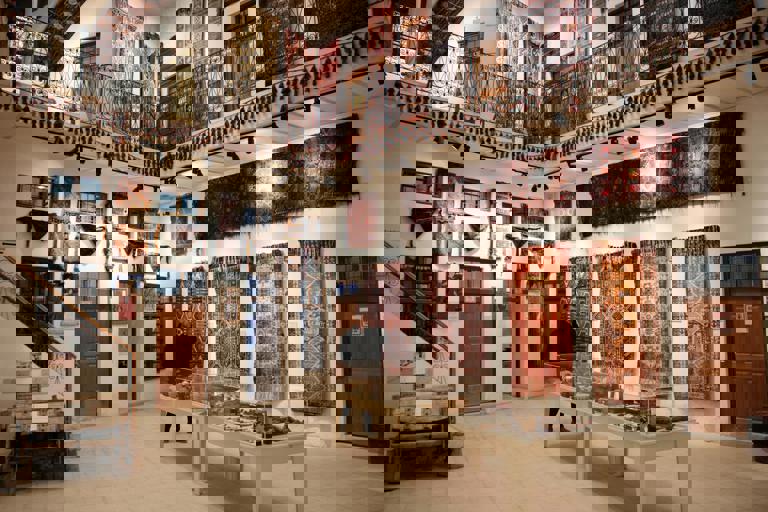
The National Gallery's latest exhibit casts a luminous spotlight on Indigenous textile traditions, celebrating both their rich history and continuing impact on contemporary Canadian art. Titled “Threads of Continuity: Indigenous Weaving Across Generations,” the display brings together works from First Nations, Inuit, and Métis artists, offering visitors a nuanced journey through time-honored weaving techniques and their echoes in the modern artistic landscape. This new show aims to foster greater appreciation for the enduring significance of Indigenous creativity.
Curator Naomi Cardinal, of Cree and Métis descent, emphasizes the importance of recognizing textile arts as central to the cultural heritage of Indigenous Peoples in Canada. “For generations, weaving has transmitted stories, values, and collective memory,” Cardinal explained in a recent media preview. “This exhibit not only honors those traditions, but also demonstrates how today’s Indigenous artists adapt and reimagine ancient methods for contemporary expression.” Her approach builds bridges between past and present.
The heart of the exhibition beats with artifacts such as Salish ceremonial blankets, intricate Cree quillwork, and rich beaded sashes crafted by Métis artists. Each piece is accompanied by detailed annotations that explore both the technical prowess and the cultural symbolism woven into every thread. Visitors can glean how natural materials like willow, cedar, and sinew have long been transformed into vital expressions of identity and belonging.
Innovative displays shed light on how colonial disruption and cultural suppression impacted traditional weaving practices. Several pieces, for instance, were created during periods of forced assimilation, yet still reflect resilient artistry and resistance. “Textile art has become a powerful agent of survival and reclaiming identity,” said Dr. Elaine Cuthand, a historian specializing in Indigenous art. The exhibit takes care to situate each artifact in its complex historical context.
In addition to showcasing historical masterpieces, the exhibit features striking works by contemporary Indigenous artists, many of whom draw inspiration from traditional methods while representing present-day themes. Among them is Haida artist Jolene Edgars, whose towering wall-hangings incorporate recycled plastics to address environmental challenges, blending ancestral patterns with modern materials. Her pieces engage viewers in urgent conversations about land stewardship and continuity.
Interactive elements bring the art form to life for visitors of all ages. Workshops led by master weavers allow participants to try their hand at finger weaving or loom work, demonstrating firsthand the skill and patience required. The gallery has also collaborated with local schools to develop educational programs, encouraging young people to appreciate textile arts as both creative practice and cultural legacy. These initiatives help sustain knowledge for future generations.
Visitors are invited to reflect on the broader social, political, and spiritual meanings embedded in textile art. According to Mi’kmaw scholar Janice Paul, “Weaving is about interconnection—between people, spirits, and the land. Each piece is a story that binds the past and dreams for the future.” The exhibition’s thoughtful curation encourages viewers to consider how art is a living tradition spanning centuries of adaptation and change.
The reception from art critics and community members alike has been overwhelmingly positive. Reviewers have hailed it as a milestone in representing Indigenous voices and craftsmanship within Canada’s premier national gallery. “It’s not just visually stunning; it’s intellectually and emotionally powerful,” wrote art writer Thomas Leclair in The Globe and Mail. The show has already attracted record attendance in its opening weeks.
In a unique collaboration, the National Gallery worked alongside Indigenous knowledge keepers, elders, and artists to ensure respectful and accurate representation of each community’s traditions. The process included ceremonious blessings before installations, community consultations, and the sharing of narratives in the artists’ own words. This approach ensures the exhibit’s integrity and honors protocols central to Indigenous cultural practice.
Looking ahead, the gallery plans to expand its commitment to Indigenous curation, with future programs highlighting everything from beadwork and quill art to digital textiles. “Our responsibility is to foster ongoing dialogue and create space for Indigenous leadership in the arts,” remarked gallery director Suzanne Walker. These efforts align with growing calls for increased representation and opportunities for Indigenous voices in Canada’s national institutions.
Ultimately, “Threads of Continuity” offers more than a display of exquisite textiles—it is an invitation to witness resilience, creativity, and cultural resurgence in action. Through a blend of artistry, education, and collaboration, the exhibit reminds Canadians of the profound impact that Indigenous knowledge holds for our shared future. As thousands of visitors engage with the works, the exhibition affirms that Indigenous voices and stories shine brightly in the nation’s cultural landscape.