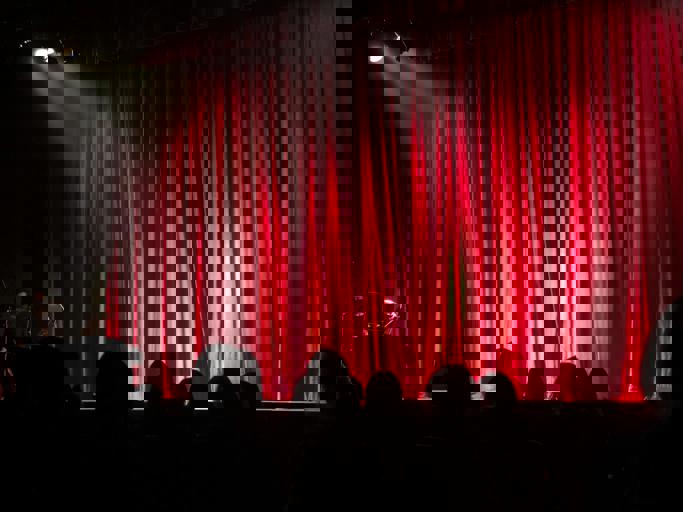
The curtain is rising this week on Calgary’s most anticipated cultural event: the Independent Theatre Festival, which promises to captivate audiences with a dynamic program of daring local productions. Organized by a coalition of Calgary-based theatre companies, this festival seeks to challenge traditional storytelling conventions and celebrate the bold creativity thriving within the city’s performing arts scene. With edgy new plays and innovative performances taking center stage, the event is attracting theatre lovers from across the region.
The festival’s program features an eclectic mix of genres, ranging from experimental drama and immersive site-specific shows to genres rarely tackled on the city’s mainstages. Participating groups include both emerging troupes and established collectives, each determined to break boundaries with thought-provoking material. According to festival director Lianne Chen, "We wanted to give Calgary’s theatre-makers carte blanche to push limits, spark conversation, and surprise audiences in ways the mainstream rarely does."
One of the headline shows, 'Urban Echoes', invites viewers to move through multiple locations set up within an abandoned warehouse, each space telling a different story using unconventional narrative techniques. Director Peter Rowland remarks, "We hope to blur the line between actor and audience. This isn’t just a play you watch—it’s an experience that envelops you." Such immersive formats are expected to redefine how locals perceive live performance.
In addition to boundary-pushing staging, the festival is spotlighting themes not often explored in local theatre. Over half of this year’s productions grapple with topics such as racial identity, mental health, gender fluidity, and climate anxiety. Playwright Jasmine Noor, whose debut, 'Unwritten Letters', addresses immigrant experiences, believes the festival is a vital platform. "It’s a place where underrepresented voices can be heard without filter," Noor states.
Beyond scripted drama, the festival is experimenting with cross-disciplinary collaborations. This year’s roster includes a hybrid performance blending spoken word and contemporary dance, and a live musical score improvised in real time in response to audience interaction. These projects emerged out of several months of workshops funded by local arts council grants, emphasizing a vibrant culture of creative risk-taking among Calgary artists.
For many theatre insiders, the festival is also a testing ground for alternative production models. Most shows are staged on shoestring budgets, relying on volunteer crews and crowdsourced props. Producer Danielle Mayson says, "Indie theatre is about resourcefulness. We turn constraints into strengths—it forces us to be inventive in every aspect, from lighting design to ticket pricing."
Ticket prices for the festival are intentionally low, aiming to attract a diverse audience. While mainstream theatre tickets in Calgary often start at $40, festival entry fees begin at $10, with several Pay-What-You-Can performances ensuring accessibility. Box office manager Amir Banai notes a steady uptick in advance sales, attributing the interest to both affordability and curiosity about "what these daring shows have in store for audiences."
Audience engagement extends beyond the performances themselves. Post-show talkbacks, facilitated by theatre critics and scholars, are scheduled for almost every production. These discussions invite spectators to question, critique, and reflect on the material in real time with the artists. Festival volunteer coordinator Shelly Graham says, "Our goal is to build a real conversation—not just put on plays, but spark an ongoing dialogue in the community."
Several artists and cultural commentators see the Festival as a sign of the city’s maturing theatre scene. Longtime arts columnist Mark Fenwick notes, "There’s a contagious energy here this week that you rarely find in more established, commercial venues. Calgary’s indie theatre artists are taking risks, and it’s paying off with genuinely original work that provokes and entertains in equal measure."
The festival’s reach extends beyond local audiences, drawing attention from visitors and even international theatre observers curious about Calgary’s evolving artistic voice. Last year’s event saw attendees from Vancouver, Montreal, and as far afield as London, UK. This broader recognition is bolstering the city’s reputation as a hub for innovative arts, says tourism official Priya Narang.
Local businesses are also joining in, with several restaurants and coffee shops offering discounts to ticket holders. The hope is to create a citywide celebration of culture, sparking cross-pollination between artistic and commercial communities. "It’s about more than theatre—it’s about building the cultural fabric of our city," says festival marketing manager Alex Huang. Merchants on 17th Avenue have even arranged special late-night hours to cater to post-show crowds.
For emerging artists, the festival presents unique networking opportunities. Daily workshops, skill-sharing sessions, and informal gatherings enable creatives to collaborate, learn, and plan future projects. Actor and recent theatre graduate Naomi Patel explains, "There’s usually a wall between newcomers and established pros, but here everyone is in the same room, exchanging ideas and forming new partnerships that will shape the next wave of Calgary theatre."
Organizers hope the Independent Theatre Festival’s legacy will endure beyond its final curtain call. Plans are underway to archive performances online, ensuring these fleeting productions can reach wider audiences and inspire future artists. According to festival chair Sandeep Kapoor, "What we’re building isn’t just a festival. It’s a laboratory, a showcase, and above all, a promise that Calgary’s artistic future is bright, fearless, and inclusive."